ÇAKÜ Recognises 1235 as Its Historical Foundation Year
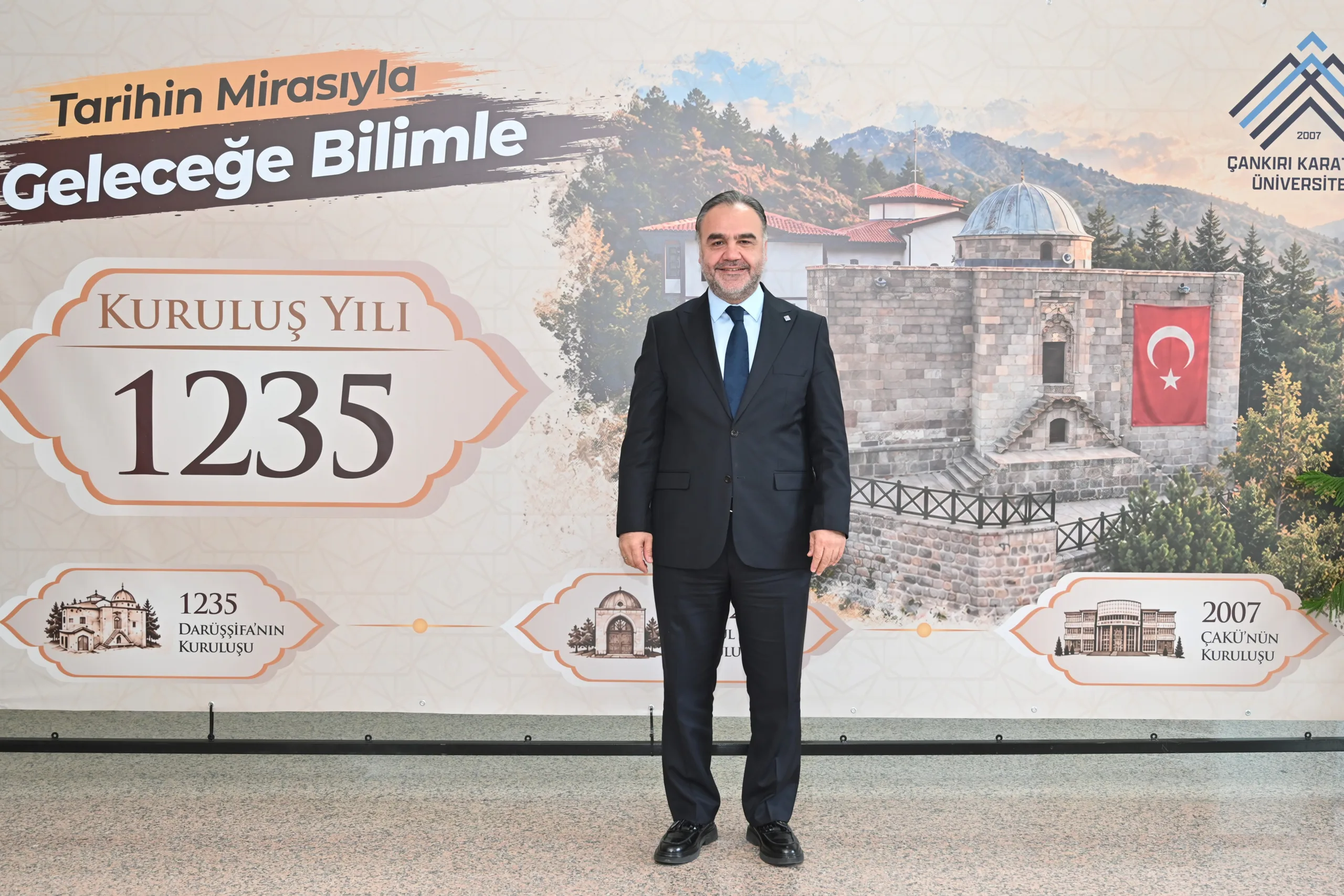
Rector Karataş: “We Are Connecting Eight Centuries of Scientific Tradition with Modern Higher Education”
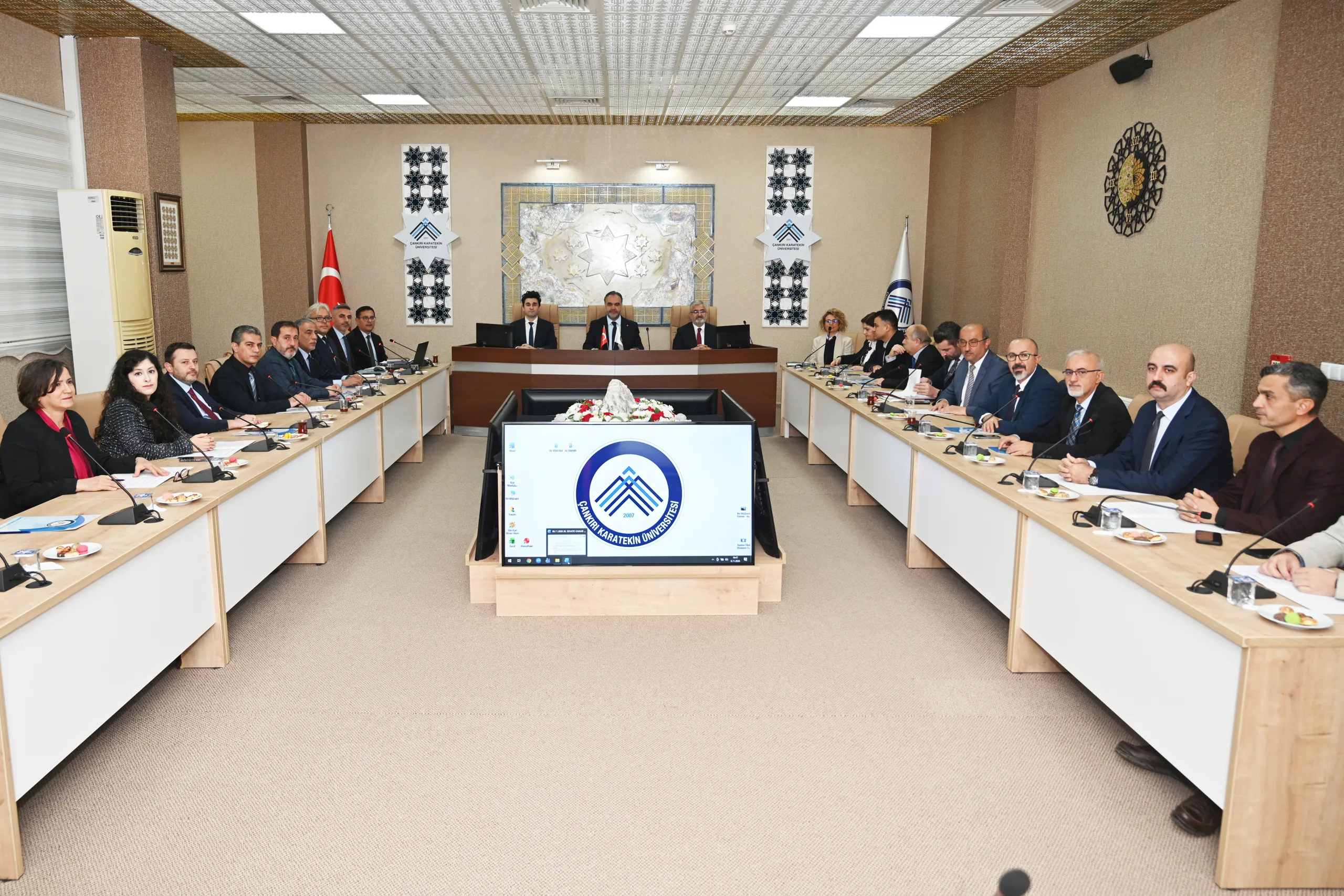
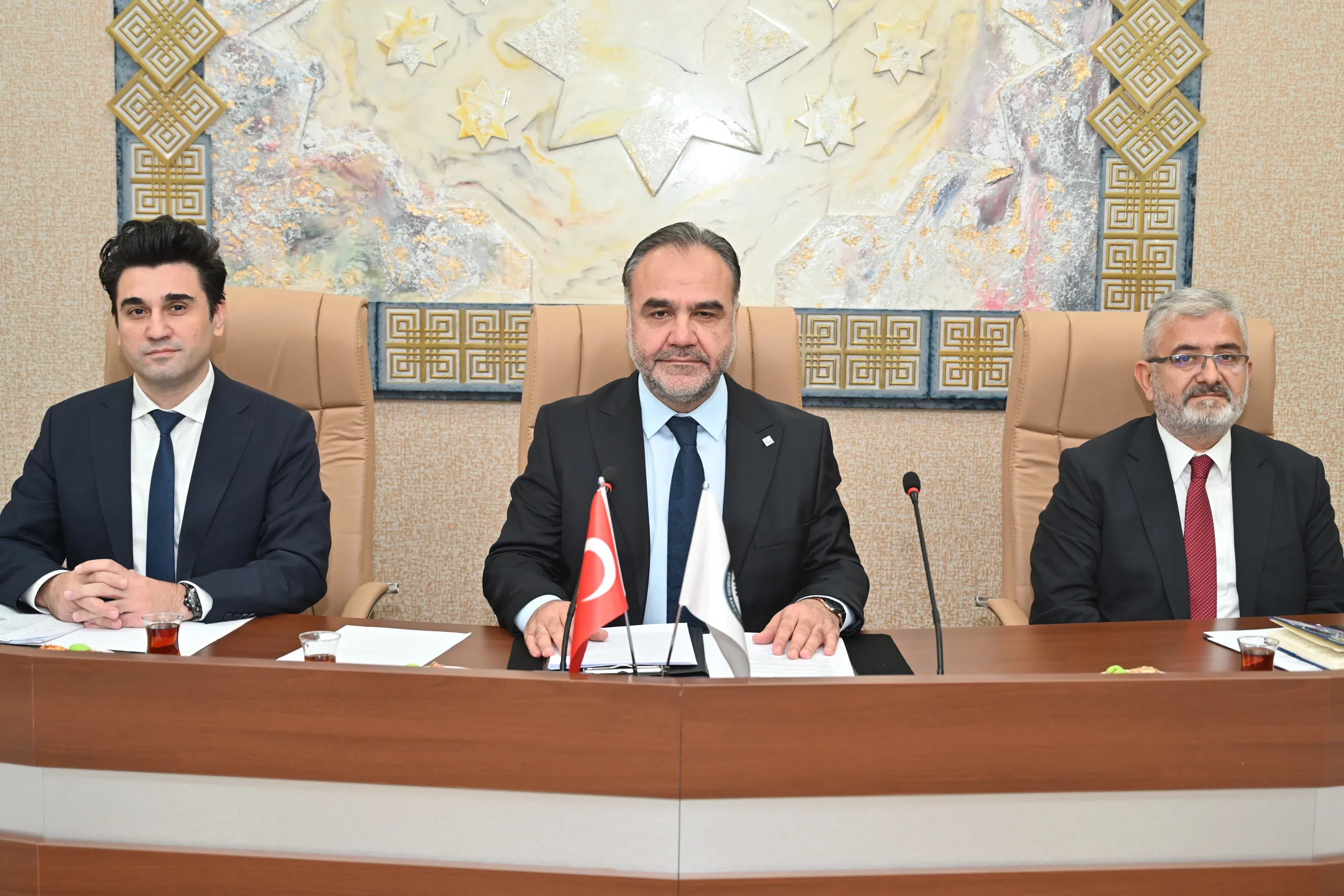
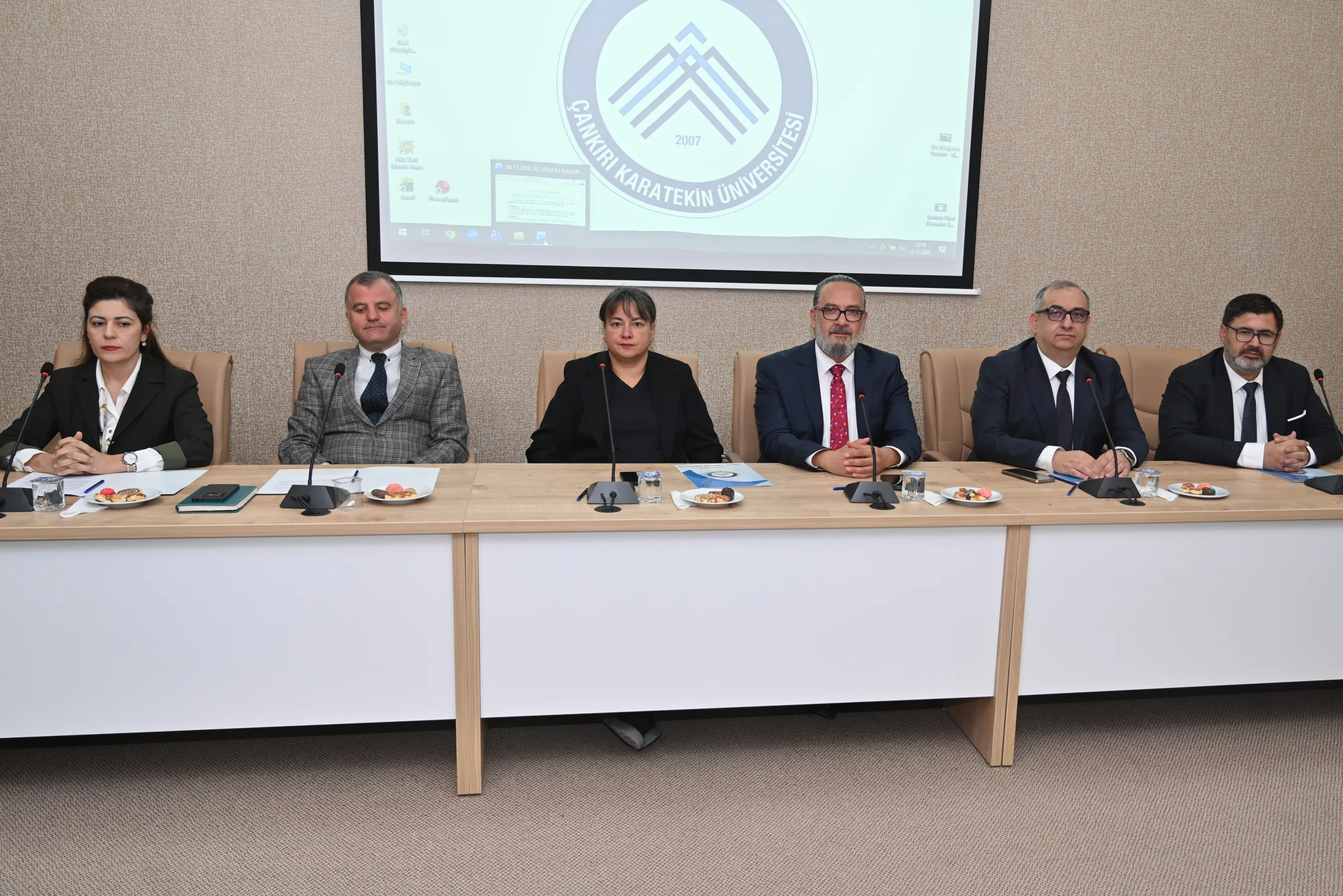
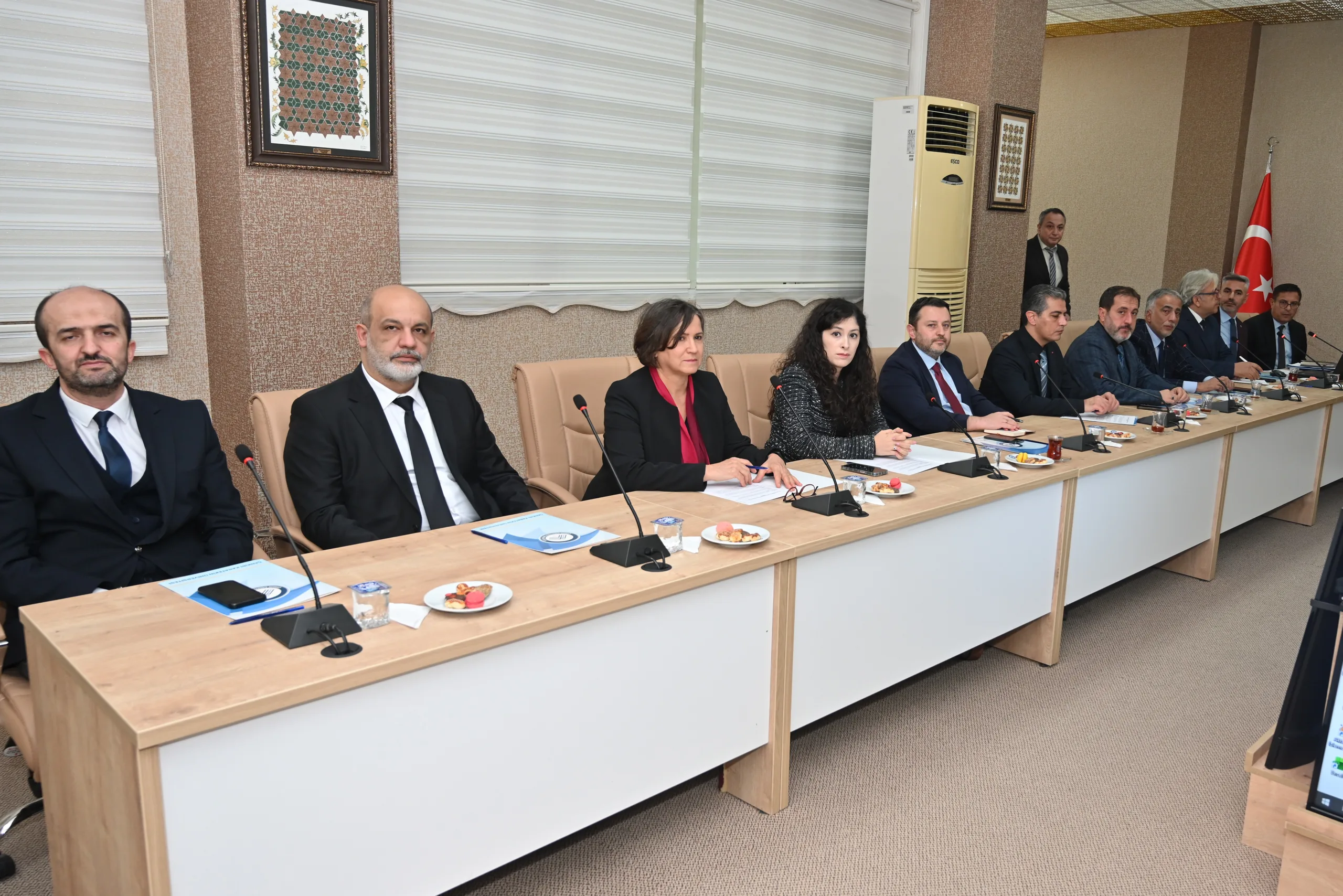
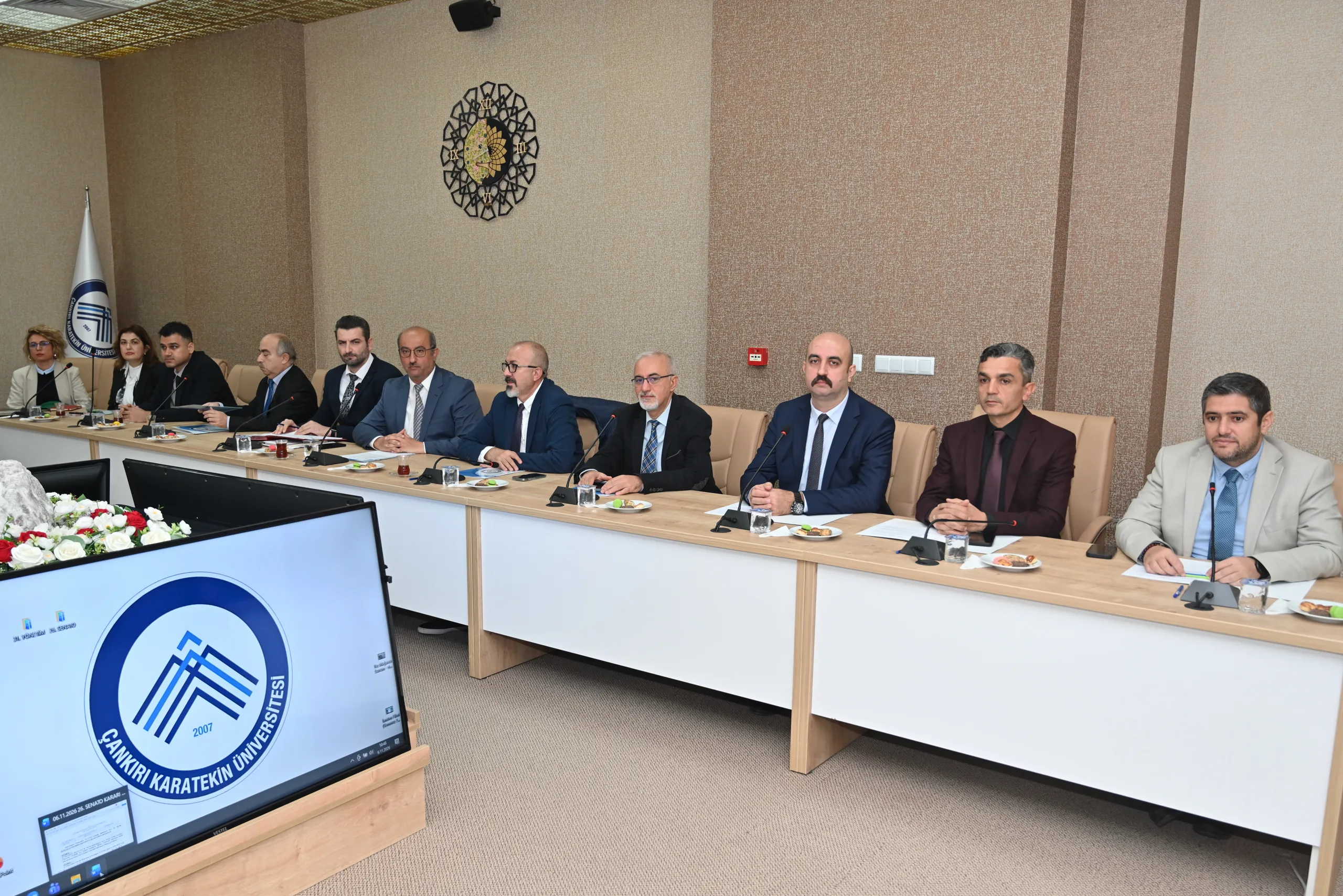
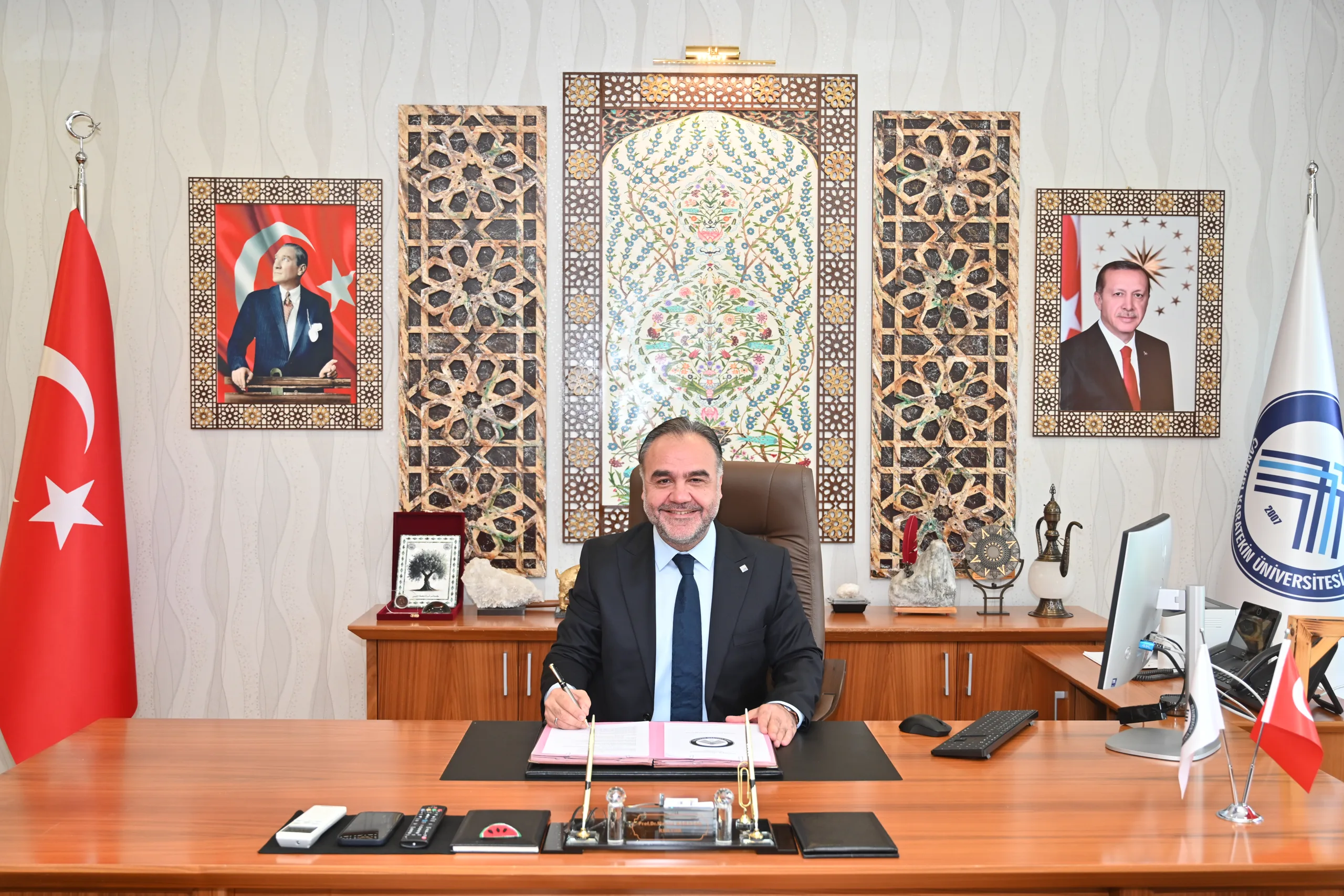
Çankırı Karatekin University (ÇAKÜ) has taken a significant step towards making Çankırı’s 800-year legacy in science, education and healthcare part of its institutional identity. At a meeting chaired by Rector Prof. Dr. Mevlüt Karataş on Friday 6 November 2026, the University Senate voted unanimously to recognise 1235 as the university’s historical foundation year, and to submit the resolution to the Council of Higher Education (YÖK).
The decision does not affect the university’s legal establishment in 2007 or its legal status.
Legal Establishment in 2007 Unchanged
ÇAKÜ was established by law on 28 May 2007 and acquired its legal status on that date. The Senate’s decision changes neither. Instead, it ties Çankırı’s eight-century tradition of science, education and healthcare to the university’s historical roots.
1235 is therefore the university’s historical foundation year, not its official date of establishment. Its legal identity stays as it is, while Çankırı’s scientific and educational heritage becomes part of its institutional memory.
Taş Mescit: Çankırı’s 800-Year Legacy in Science and Healthcare
Taş Mescit, one of Çankırı’s most important historical and cultural landmarks, is regarded as a cornerstone of the university’s historical roots. A centre of science, education and healthcare dating from the Seljuk period, it is known as one of Anatolia’s earliest darülhadis institutions (centres for hadith studies) and oldest şifahane (medical centres).
Cemaleddin Ferruh, Atabeg of Çankırı, commissioned the complex in 1235, during the reign of the Seljuk Sultan Alaeddin Keykubad I, and it first served as a medical centre. In 1242 he extended it with a darülhadis and a semahane (a hall for religious ceremonies), making it one of the leading healthcare and educational centres of its time.
After restoration by the Ankara Regional Directorate of Foundations, Taş Mescit was transferred to ÇAKÜ in 2019. It has since become one of the university’s main centres for preserving and promoting its historical and cultural heritage.
Heritage Becomes Part of the University’s Identity
Bringing this heritage into the university’s institutional identity is seen as important for preserving Çankırı’s scholarly tradition, strengthening institutional memory and passing the legacy on to future generations.
The decision followed a review of the university’s institutional history alongside a scholarly report prepared by historians and researchers. On the basis of that review, the Senate judged it appropriate to trace the university’s roots back to 1235.
Rector Karataş: “Our University’s Roots Lie in a Scientific Heritage Going Back Eight Centuries”
Speaking after the Senate meeting, Rector Karataş stressed that a university’s legal establishment date and its historical roots should be considered separately.
When the histories of the world’s oldest universities are examined, he said, attention is paid not only to their administrative establishment in the modern sense but also to the earliest advanced institutions of science, medicine and education in their regions. He cited the University of Bologna (1088), the University of Oxford (1096) and Istanbul University (1453) as examples.
ÇAKÜ was legally established on 28 May 2007, Karataş said, but its scientific, academic and institutional roots go back much further:
“Our university acquired its legal status through its statutory establishment in 2007. But we also embrace the scientific, educational and healthcare heritage of this region, which goes back eight centuries. The Çankırı Darüşşifa, whose history begins in 1235, shows that our city has been an important centre of science and education throughout history. Recognising 1235 as our historical foundation year builds a strong connection between our past and our present.”
“A Decision Grounded in a Scientific and Academic Report”
The decision rests on scientific, academic, physical and legal grounds, Karataş said, and a comprehensive report was prepared on the subject. He called the report an important study documenting the university’s historical roots, and underlined that the Senate and university administration had reached the decision unanimously.
“We Have Brought the Present Together with Eight Centuries Ago”
Karataş described the decision as a source of great excitement and pride, and an important milestone in the university’s history.
“I am truly very excited today. With this Senate meeting, we have brought the present together with eight centuries ago, in science and education, more strongly than ever before. Together with our administration and Senate, we have taken a very important decision, and we are sharing the joy of this moment. Today we are witnessing a historic moment for our university,” he said.
He pointed out that individuals come and go while institutions can last for centuries, and highlighted the significance of the Darülhadis, built after the Çankırı Darüşşifa in the Seljuk period:
“People come and go, but institutions can endure for 50, 100, 150, 200, even 300 years. Nearly 800 years after the Darüşşifa was founded in 1235, and the Darülhadis built after it, we are recognising the value of these exceptionally important historical structures under the roof of a modern university. We are all very proud of that.”
“We Draw Strength from Our History and Use It to Shape Our Future”
The decision, Karataş said, looks to the future as well as the past, because embracing historical heritage strengthens a university’s academic and institutional identity.
“We embrace our history, draw strength from it and use that strength to shape our future, and we will continue to do so. Carrying our eight-century legacy of science and education into the future, and bringing this deep-rooted past together with a modern approach to university education, is a responsibility we all share,” he said.
He thanked all the senators, members of the University Executive Board and academics who contributed to the decision, and said he hoped it would benefit ÇAKÜ, the higher education community and the wider world of education.
Senators Visit the Historic Darülhadis
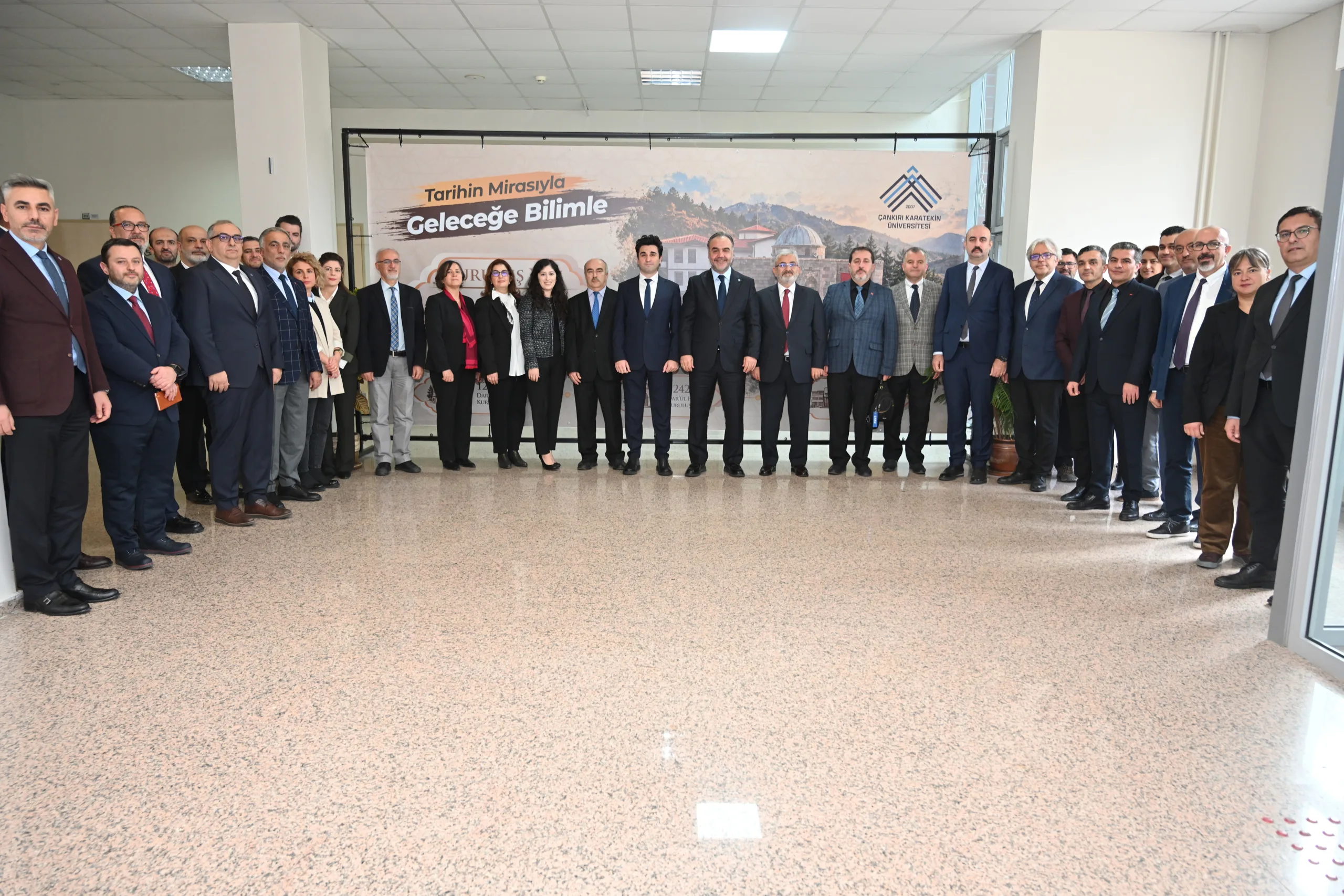
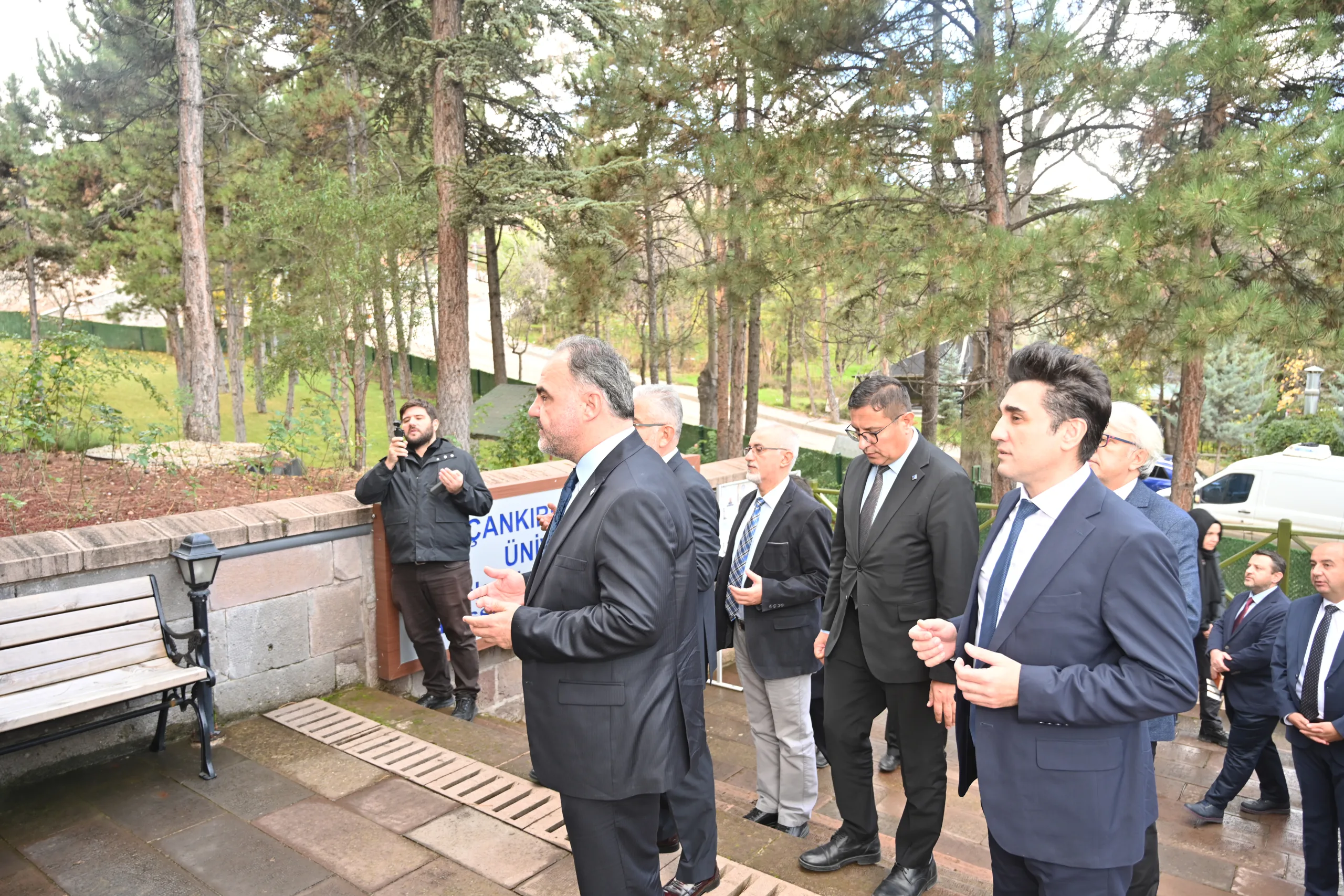
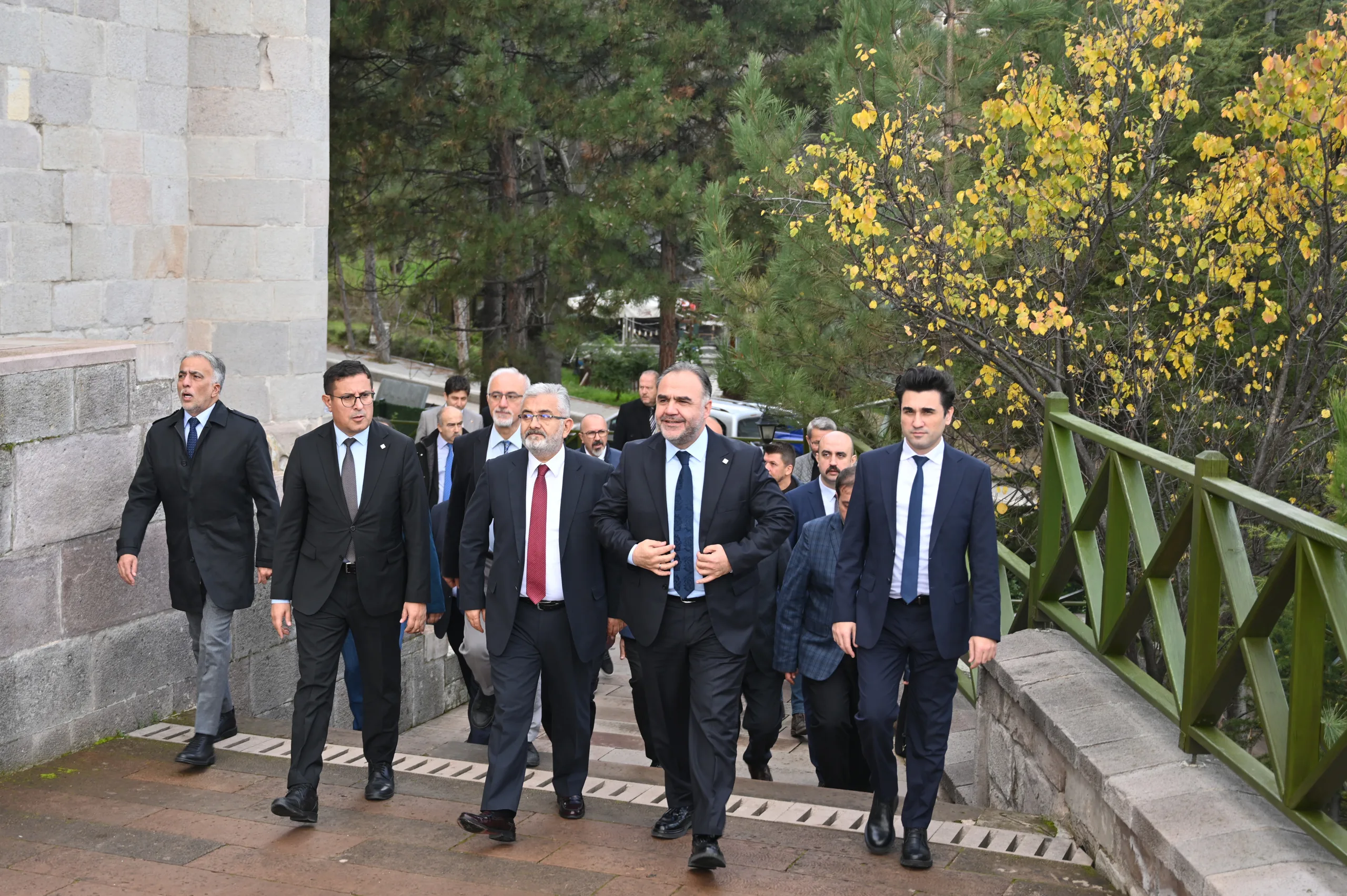
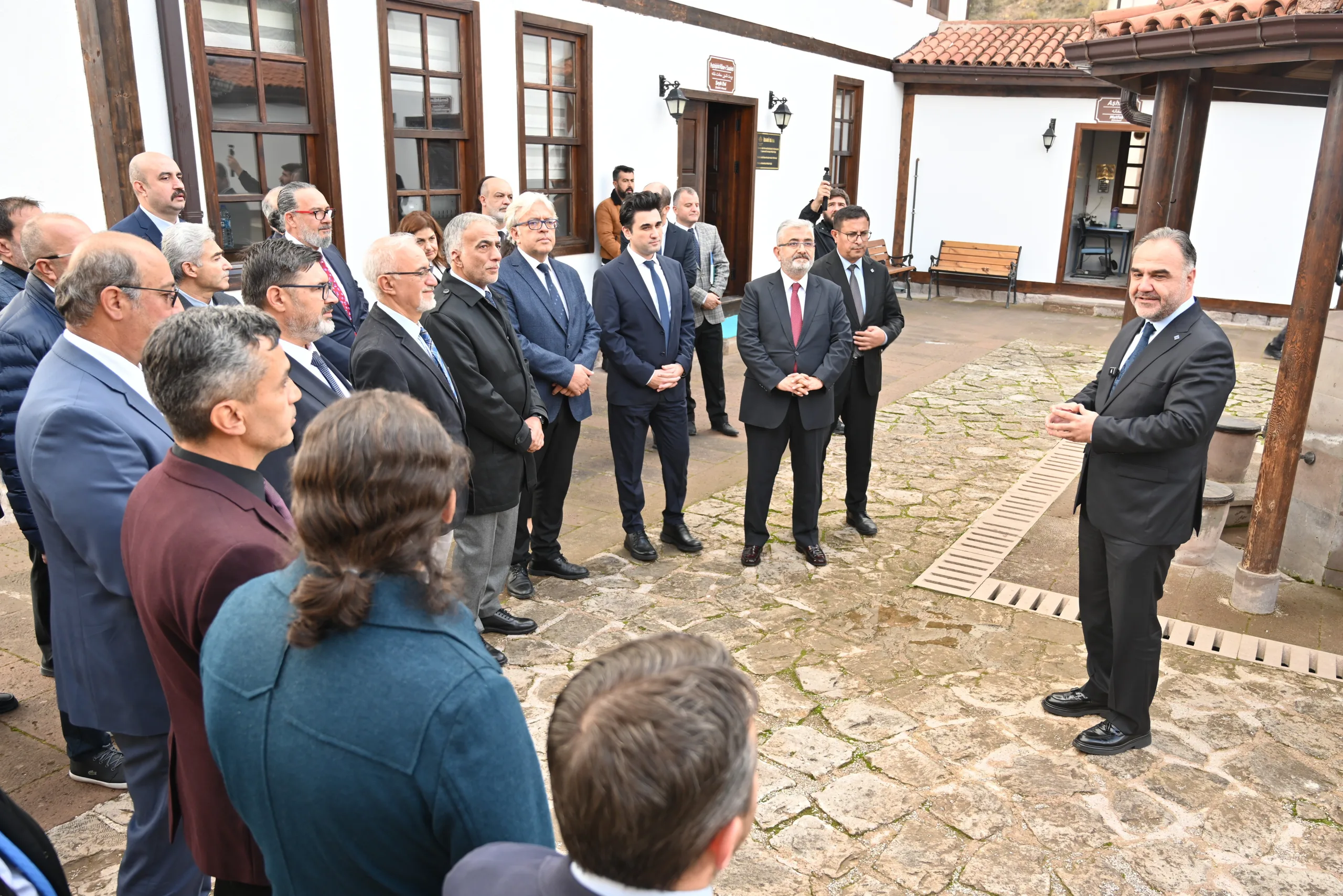
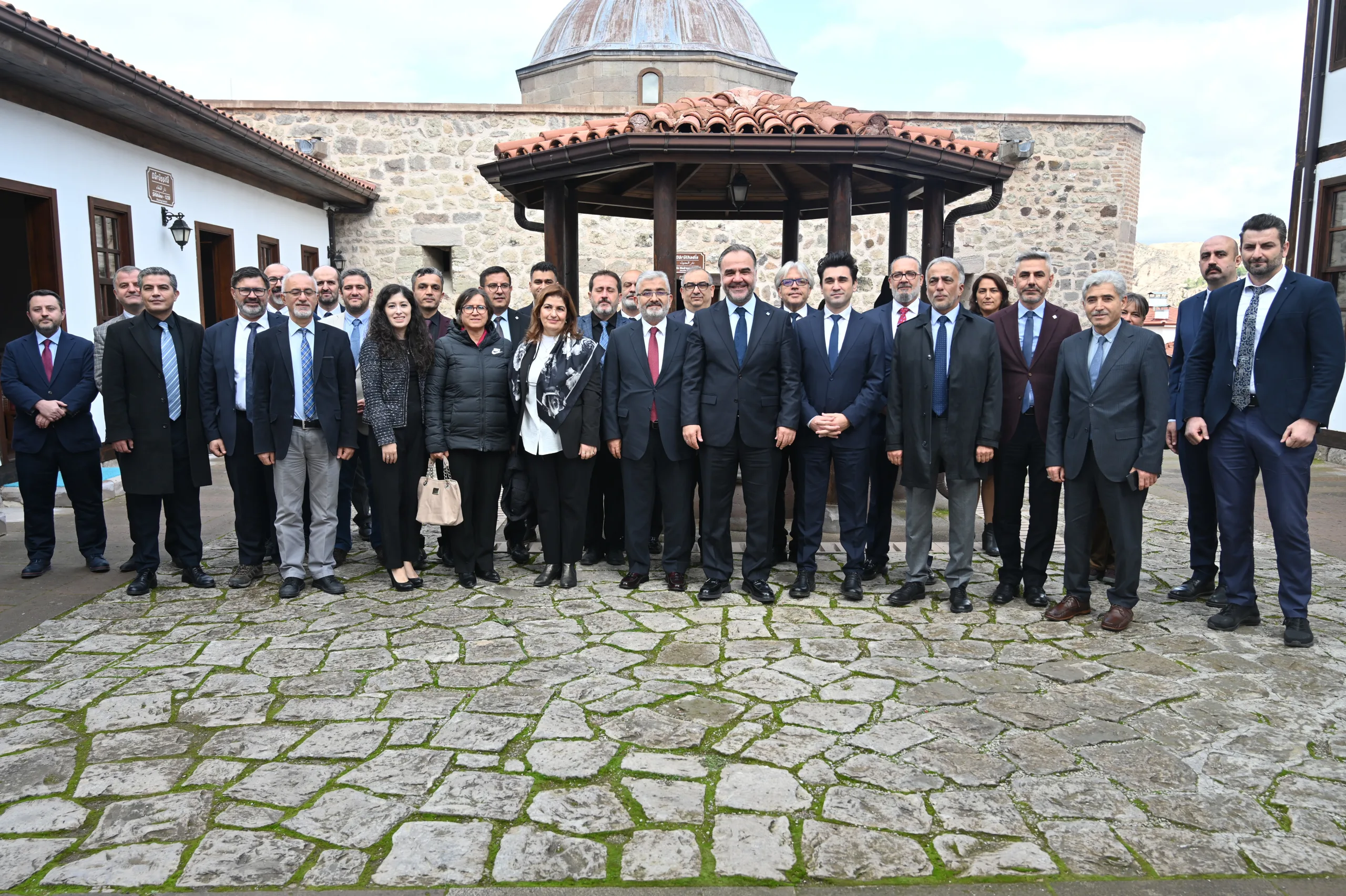
After the meeting, the senators, led by Rector Karataş, visited the historic Darülhadis, where verses from the Quran were recited and prayers were offered for the decision to bring blessings.
Av. M. Emin Akbaşoğlu, Deputy Chair of the AK Party Parliamentary Group and Member of Parliament for Çankırı, also telephoned Rector Karataş to say he hoped the decision would benefit ÇAKÜ, Çankırı and Türkiye, and to thank everyone who had contributed.